Category Archives: Discussion

A personal story

As part of our series on motherhood, we have the great privilege of hearing from Abi. This is a very personal story, and an important one to hear about.

Ten years ago exactly, I fled my comfortable, affluent south-west London home in the face of continued and increased physical violence, threats of violence, control and intimidation by my then 16-year-old son (his GCSE year) and verbal abuse from my then 19-year-old daughter (enduring her first year at university).  I fled because no one helped or explained what was actually going on, and my social circle had been stripped away by their father.  I was already estranged from my equally abusive family and, because I’d left my life partner, his too.

I fled because social services declared that “nothing had happened yet” when I phoned for immediate help (as recommended by social services )when I discovered two curved Swedish hunting knives under my son’s pillow and a copy of Andy McNab’s book, “The Good Psychopath’s Guide to Success”.  I fled because my GP wouldn’t come near.  I fled because six officers from the Metropolitan Police, who arrived at teatime in a small cul-de-sac, declared (after consulting with my children upstairs) that I was the problem and took my children away to be picked up by their dad for a few days, only for the very real and personal threats and/or indifference to continue, nevertheless.  Eventually, I left the country and “went travelling” for three months to try and make sense of the unimaginable.  I’m still working on that one.  Heartbreak and inner conflict doesn’t touch the sides.  However, at least I can now put it, when some people do ask what’s gone on, as “I exceeded my use-by date”. 

Only recently did I become aware of Helen Bonnick’s book, this website and, therefore, the other online resources and support systems that are out there.  It’s such an overwhelming relief to know I’m not actually alone with all this.  My latest GP practice and local mental health services are now very open to listening to my opinions and experience, rather than their analysis; which is a big leap forward, in my view.  That TV drama is also highlighting this cause is a great help in wording the unwordable.  I only have to ask, “Did you watch Adolescence?”

Ten years later, I’m grateful to be very alive, sane and healthy.  Many of us don’t make it, quite understandably, or become lost in the psychiatric system and/or — just as painfully — complete loneliness, exhaustion and alienation.  I’m glad to be contributing to this conversation and cause.  My MP listened to me recently and has presented my/our case in Parliament this session.  So, there will be a definition of CAPVA in the upcoming Violence Against Women and Girls strategy.  I’ve been promised continued updates and have offered my continued input, as I believe this should go far wider than VAWG, to include fathers as well.  However, it is, at least, a start and discussions are being had.

This is just a fraction of what I’d like to say, but I hope it resonates and might help you also make a bit of sense in the chaos of things.  Thanks for reading.

Abi Jones

Thank you to Abi for sharing her experience, and I hope by reading her story, you feel less alone if this is similar to your own experiences. The giant leaps forward in understanding that Abi highlight have only been possible thanks to the parents advocating for themselves and sharing their stories with those in a position to create change. We can only hope in the next 10 years we see an even greater shift thanks to women like her.

Leave a comment

Filed under Discussion, Family life

Post-Adoption Support in Crisis: Families Speak Out 

If you are at all interested in Adoption and LinkedIn, you will already be aware of Claire Agius, a PhD student from Manchester Metropolitan University, who has recently submitted her PhD and kindly created a post on her emotionally-aware research with adoptive parents for the final blog on our adoption series.

Adoption is one route to permanence for children who cannot remain with their birth families. Many have lived through neglect, abuse, or significant early adversity. Adoptive parents step forward to provide stability and care, but they cannot heal trauma alone. When systems delay, misdirect, or fragment support, families are left carrying unbearable burdens, and the stability adoption promises is put at risk. 

My doctoral study explores the impact of raising a child with trauma on adoptive parents’ mental health and examines how systemic structures help or hinder families. Conducted between 2022 and 2025, the research combined in-depth interviews with adoptive parents and post-adoption professionals with a participatory, film-based process that enabled parents to revisit and re-interpret their own stories. Parents co-edited emotional “touchpoints” from their filmed interviews, first for emotional processing, and later for collaborative meaning-making. This innovative two-stage process revealed not only what families said in the moment, but how they later understood their struggles, providing rare insight into why problems persist across time. 

Methods and Approach 

The study engaged adoptive parents and post-adoption professionals across England. A distinctive feature was the use of filmed narrative interviews, later revisited with parents through an adapted Experience-Based Co-Design (EBCD) process. Parents co-edited their most painful or telling moments, “emotional touchpoints”, which became the basis for deeper reflection and co-analysis. Importantly, emotions often shifted between the first and second viewing: what was raw distress initially was later reinterpreted with new perspective. This temporal dimension offered a richer understanding of how families live with and make sense of ongoing struggles. 

Key Findings: Five Causal Mechanisms 

The research identified five systemic mechanisms that help explain why adoptive families encounter the same challenges again and again: 

Crisis-Led Logic → Invisible Early Struggle 

Services are triggered by visible breakdown, not early distress. Parents described desperate pleas for help that went unanswered until crisis loomed. Professionals echoed this dynamic, explaining that thresholds and funding criteria meant they were often forced into reactive rather than preventative roles. 

Unsupported Care Work → Relational Burnout 

Parents’ own emotional needs are rarely recognised. The relentless labour of advocating, soothing, and managing daily crises falls heavily on them, with little formal or informal support. Professionals noted that while therapeutic resources might be offered for the child, parental wellbeing was considered a lesser priority in post-adoption support planning. 

Mistrust and Marginalisation → Silenced Insight 

When parents seek help, they are too often met with suspicion or blame. Instead of being recognised as experts on their children, they are treated as the problem. Several professionals reflected on how mistrust erodes open communication, acknowledging that risk-focused cultures can silence parents’ perspectives. 

Systemic Fragmentation → Constant Bureaucratic Burden 

Families must navigate siloed services, repeated assessments, and defensive institutions. Parents spoke of becoming “experts by necessity” in order to access what their children required. Professionals described a fragmented landscape that left them struggling to coordinate support or act decisively across organisational boundaries. 

Service-Defined Progress → Residual Struggle 

Support is often withdrawn once narrow service criteria are met, even if families continue to struggle behind closed doors. Services may focus on keeping placements intact while overlooking the wider toll. Professionals described similar frustrations, noting that time-limited interventions often forced them to close cases prematurely, even when they suspected families would continue to need help. 

Impacts and Implications 

Together, these mechanisms explain why adoptive families experience persistent strain. Parents’ mental health suffers, siblings carry secondary trauma, and placements teeter on the edge of breakdown. For government, the cost is twofold: the human suffering borne by families, and the financial burden of avoidable crises across social care, education, and health. 

The findings carry important implications at multiple levels: 

  • For families: parents’ mental health declines under unsupported care work, and siblings experience secondary trauma that remains invisible to services. 
  • For systems: a crisis-led, fragmented model means resources are mobilised late, at greater human and financial cost. The Adoption Support Fund, while valuable, is shaped by bureaucratic gatekeeping. Parents described decisions made by staff without sufficient trauma knowledge, leading to inappropriate or stop–start provision. Trauma-informed practice must extend from top to bottom of the system, including commissioners and fund-holders as well as frontline practitioners. 
  • For knowledge and practice: by marginalising adoptive parents’ perspectives, services lose access to vital expertise. This study shows that film-based, participatory methods can surface and revisit lived experience in ways that expose persistent problems and open space for collaborative solutions. 

Recommendations 

Based on these findings, five preliminary priorities for reform are proposed: 

  1. Invest in early relational support – Commission services that intervene proactively, building resilience within the first year post-placement. 
  1. Support the whole family – Embed provision that includes parents’ mental health and siblings’ wellbeing alongside the child. 
  1. Reduce bureaucratic gatekeeping – Simplify and standardise access to the Adoption Support Fund so families can receive timely help. 
  1. Embed trauma-informed practice system-wide – Extend trauma awareness beyond frontline therapists to commissioners, fund-holders, and policymakers. 
  1. Value lived expertise through co-design – Involve adoptive parents directly in shaping provision, policy, and evaluation frameworks. 

Conclusion 

Adoptive families are willing partners in the work of healing trauma. But they cannot do it alone. By using filmed interviews and a co-interpretive process, this study demonstrates both the human and systemic costs of current approaches, and the potential of participatory, trauma-informed methods to generate change. Adoption will remain a sustainable route to permanence only if support is early, relational, and family-centred, and if adoptive parents’ lived expertise is recognised as central to system redesign. 

Claire’s ’emotional touchpoints’ will no doubt resonate with many families, and what we really like about her work is the relevance to practice. The recommendations may seem common sense, but they highlight the very real challenges experienced by adoptive families. Do connect with Claire if you are interested in learning more.
Leave a comment

Filed under Discussion, Family life

The importance of support and understanding for adoptive families

‘Adoption is in crisis’ was the headline of one of our recent guest blogposts, but are things getting better? Blogs from Patch, Al Coates, Maude Champagne and even Amity Solutions got us thinking about the importance of support and understanding for adoptive families.

Within the UK, the support offered to families through the lack of clarity, and eventual reduction in funding for the Adoption and special guardianship support fund (ASGSF) has been a topic of significant concern over the past 12 months. This fund was once a lifeline for those living with traumatised children who were often dysregulated, distressed, and/or seeking to control the only thing they could, their adoptive or wider families. Once entitling children to up to £3,000 per year for specialist therapies, this funding has reduced by 40% after months of concerns that it was to be removed altogether. 

The ADGSF is the perfect example of when academia, practice and families come together to create change. Julie Selwyn’s report, ‘Beyond the Adoption Order’ highlighted that parents fearing for their own safety, and the safety of other children in the household was the leading cause of adoption ‘breakdown’; creating a platform for parent-activists to share their experience, and evidence which mobilised (and funded) social work systems to provide the essential support to keep families together and reduce harm. However, what has been clear from our recent blog contributors is how these harms are being experienced by adoptive and kinship parents globally.

Adoption is a rupture for a child, regardless of when it occurs in their life, or how wonderful and informed their adoptive parents may be, many children experience on-going trauma because of this rupture. This means adoptive parents are more likely to experience harm from their child than not (see Al Coates Churchill report).  It is essential that support systems act to ensure parents and wider family members are supported so they can support their child(ren). As highlighted by Maude Champagne, too often guidance around what a family may need are hidden behind the paywalls of academic journals and drowning in academic wording that makes no sense to a practitioner. 

Work such as Maude’s ‘decoding aggression’, and Al’s Churchill Fellowship illuminate the need for robust support systems and, most importantly, understanding. Understanding can come from peers and formal systems of peer support, it can come from professionals who understand the complex neurological, developmental, and environmental interactions that occur to increase vulnerability to this form of harm. Understanding these interactions and needs are often placed under the umbrella of ‘being trauma-informed’, however this is very much a ‘buzz word’ at present. What does being ‘trauma-informed’ actually mean? As Fiona Wells and the Patch Steering group highlight, being trauma-informed is only one part of the parenting and professional journey; support and care must also be trauma responsive and recovery focused (for a full list of their recommendations, see: http://www.ourpatch.org.uk). 

Is adoption in crisis? Yes. The global picture is there are fewer adoptive parents, more children waiting for adoptive parents, and the complexity of needs is increasing, with huge gaps in knowledge and service provision. Are things getting better?  Yes. This arena needs more people and teams like Al, Maude, and Fiona and the Patch group. Our bloggers this series demonstrate how lived experience, alongside research and practise knowledge, can be combined; creating resources and recommendations which could make a genuine impact on their lives of adoptive and special guardian families. 

Nikki Rutter

Leave a comment

Filed under Discussion

CPV: The podcast special

How do you consume your podcasts?

On the way to work on the train? Walking the dog? While you’re doing the ironing? Or do you find a quiet half hour to focus solely on the content? However you find the time, there are some great podcasts out the at the moment, focussing either specifically on children using harmful behaviour towards parents – CPV – or on different approaches to working with families to bring about a more healthy and hopeful life. These may be directed first and foremost towards professionals – offering guidance for work with families, or they may offer tips and strategies directly to those affected. Whatever you are looking for, they all remind us that this is something that is more prevalent than we might have imagined previously, but that there is hope when you find the right people who know their stuff!

By no means a definitive list, but here is a selection of some of the top podcasts regarding CPV.

The Adoption and Fostering podcast is now in its 9th year, with nearly 200 episodes in the library. Al Coates and Scott Casson-Rennie discuss a range of issues related to contemporary adoption and fostering, often with special guests. Many of the episodes touch on children’s aggressive behaviour towards parents and carers. A fair number focus on this issue specifically. While this is labelled as adoption and fostering, many in other fields will find topics of relevance.

Capa First Response launched Series 1 of their podcasts in early 2024 and already have a second series ready to go. Series 1 features conversations between founder Jane Griffiths, Senior Practitioner Matt Rider, and patron Helen Bonnick, and touched on more general issues regarding child to parent violence and abuse which come up frequently in discussion, while the next episodes will address more specific topics such as neurodiversity. There is a third series in the planning stage.

The NVR podcast is aimed both at professionals and families, with experts in the field discussing strategies, the rationale behind this way of working, and case studies amongst other things. Non-Violent Resistance (NVR) has a proven track record for work with families who have experienced trauma, and looks at ways to de-escalate a situation and build a supportive network around the family. Peter Jakob, Shila Desai, Jill Lubienski and Rachael Aylmer chat together and bring in special guests. The applications are broad, but again, many will touch on families where children are using violence and aggression, or where there are similar overlapping issues.

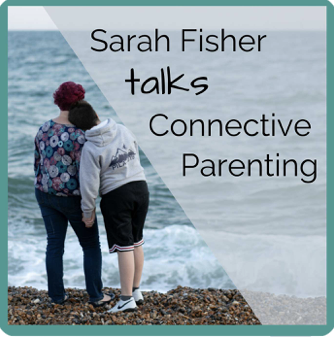
Sarah Fisher is an NVR practitioner who developed Connective Family, a practice supporting families where children are exhibiting challenging behaviour. Her podcasts are often shorter than others but full of down to earth advice and quick tips for busy families.

Interwoven Connections is a Canadian Organisation supporting ‘the tapestry of families and relationships formed through adoption, kinship and customary care’, particularly where children are using harmful behaviours towards parents and carers. They have a library of resources for parents including webinars and podcasts.

There are of course many other resources as well as these listed. You will find some listed on the Sound and Vision page, but I would also invite comments if you have suggestions of other relevant podcasts which have been helpful to you and which you can recommend to others on this subject!

Leave a comment

Filed under Discussion, Family life, podcasts

Starting from Scratch

What would be the first thing to do if you were starting from scratch? 

Not the usual question I am asked. In the past it would have been “how much is there?”; more recently the enquirer would be asking for priorities from a list of recommendations. But I was meeting last week with Sarah Townsend, Principal Advisor to Te Puna Aonui, the New Zealand joint venture to improve the whole-of-government approach to family and sexual violence.

Continue reading

1 Comment

Filed under Discussion

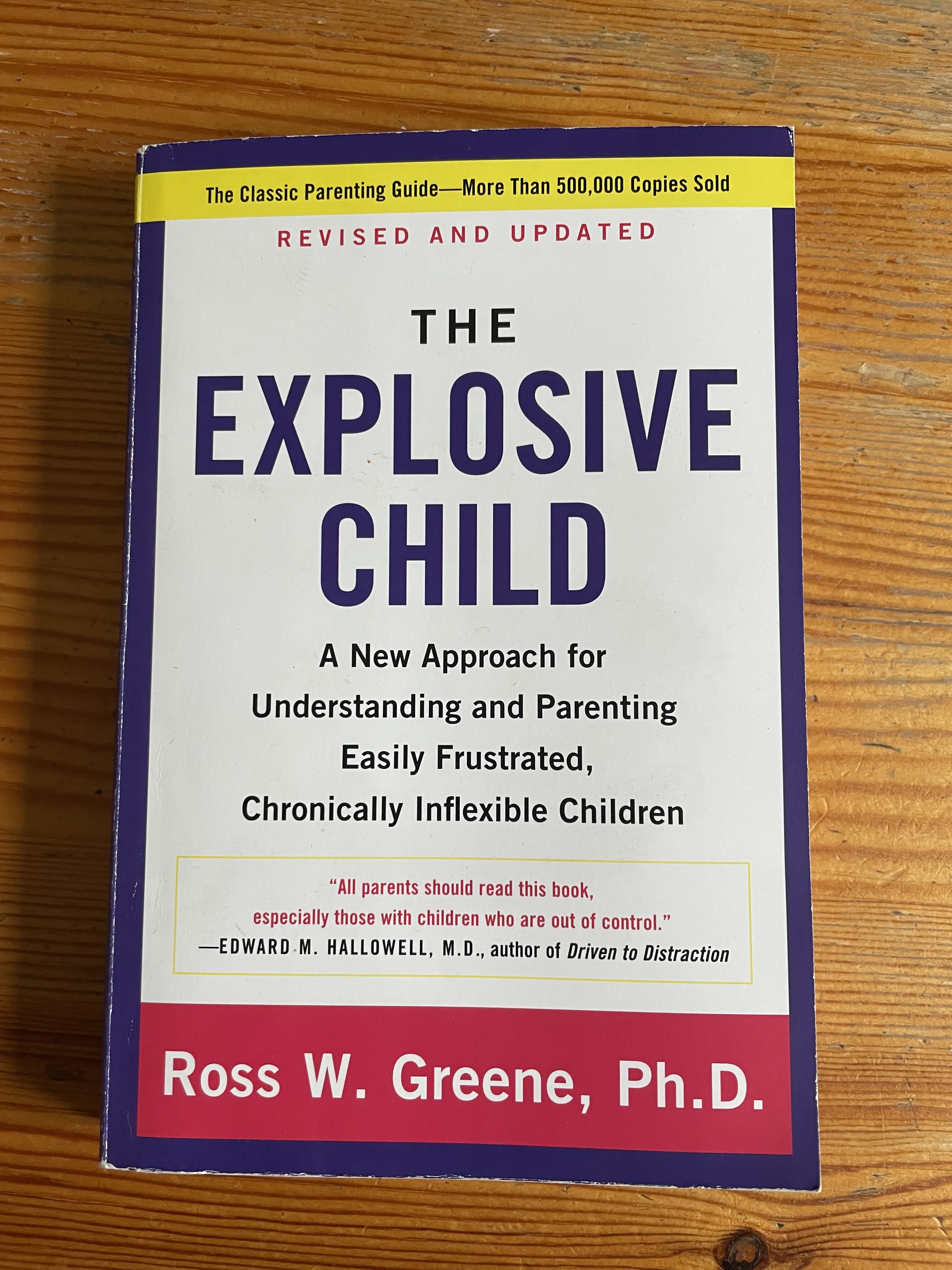
A new way of thinking: The Explosive Child

I was first recommended this book by Kate Iwi in 2018, and reminded of it again reading the recent paper from Nikki Rutter.

Greene offers a new way of thinking about “behaviourally challenging children”, and about their parents, which prompts a different response to their behaviour from the adults around them. While he uses the term ‘Explosive’ in the title, he admits to being a little unhappy with it as he finds the challenging behaviour to be often predictable, and also often ‘implosive’. Nevertheless, it will chime with many families, who will recognise the behaviours described within its pages. Greene lays out ‘Plan B’ in easily digestible steps as a way forward in the journey to restoring peace and safety in the home. With many examples both of the behaviour, and scripts to follow, this is a book that you could comfortably read in a couple of sessions – but don’t! With resources to download and homework to do you will be referring to this over a longer period of time.

Continue reading

Leave a comment

Filed under Book review, Discussion

The experiences of families caring for children with FASD: “no one came to help”

It is suggested that the prevalence of foetal alcohol spectrum disorders (FASD) is greater than autism, and yet there remains significantly less understanding of this issue, information for families and practitioners, and support for those impacted by the condition. In 2023, Waite and Burd reported that “At an estimated prevalence of up to five percent in the general population, fetal alcohol spectrum disorders (FASD) are the most common neurodevelopmental disorder”.

Continue reading

2 Comments

Filed under Discussion, publications, Research

Learning from the internet

We are only just coming to the end of January, but it has been interesting already to read a number of papers which have been published online this month. Two particularly attracted my attention: that from Harries, Curtis, Skvarc, Benstead, Walker and Mayshak, and also this one from Cortina and Holt‘This is what happens to people who don’t spank their kids’: An analysis of YouTube comments to news reports of child to parent violence.

Continue reading

1 Comment

Filed under Discussion, Research

Finding the right words: what I meant

We often think about the language we use in work with families where there is harmful behaviour from children, but more usually in terms of what we call it (see this sentence!) or the terms we use to describe the various family members involved. This week I have been reflecting on the difficulties that arise when the language we use as professionals is different to that used by parents. I have written about this before, and included a reference in my book to a blog by Raising Devon where the author talks about the difficulties in getting help while she referred to her child’s behaviour as “tantrums” rather than “rages”.

Continue reading

Leave a comment

Filed under Discussion

Deprivation of Liberty stories

Summer is the time that I catch up on reading all the research papers and news articles that I have been storing on my laptop; and so I have finally found the space to pull some thoughts together. One thing that has particularly caught my eye over the last months has been the reporting on the rise in the number of vulnerable young people subject to Deprivation of Liberty (DoL) Orders.  

Children and Young People Now has run a number of articles about this, examining the reasons for the sharp rise in orders (here), and analysing the growing gap in secure care provision (here), and in this piece from the beginning of August, looking at the impact on the young people themselves, often placed at great distance from their families and support systems, in unsuitable accommodation and in situations likely to increase their trauma and vulnerability rather than aid their recovery. 

Continue reading

Leave a comment

Filed under Discussion, Law